- BY kyle
- POSTED IN Latest Blogs
- WITH 0 COMMENTS
- PERMALINK
- STANDARD POST TYPE
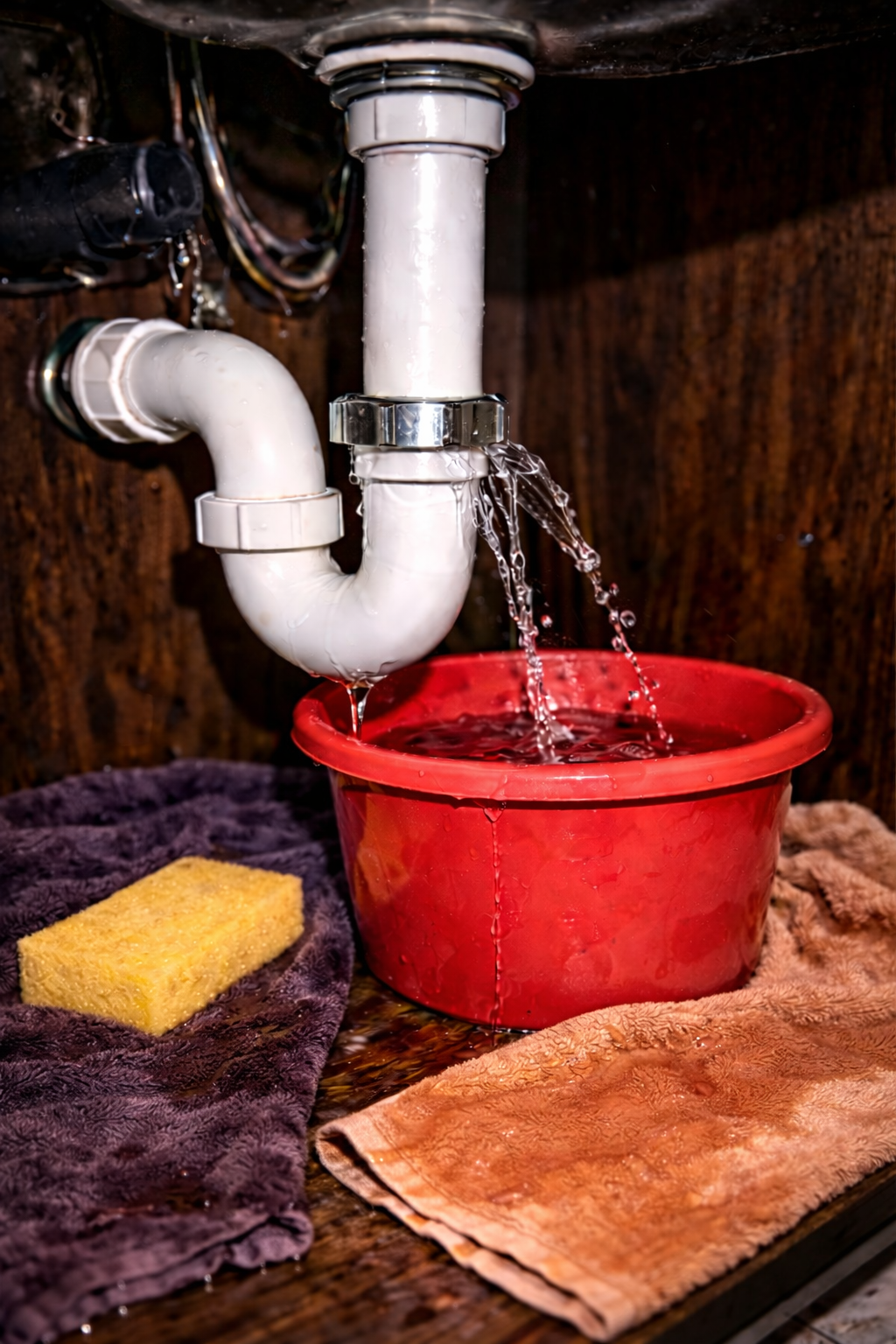
Hidden Water Leaks in Mesa, AZ: 7 Warning Signs & Detection Tips
A water line breaking under your sink is an obvious problem. A pinhole leak inside a concrete slab or behind drywall is a quiet threat. Professional water leak detection in Mesa, AZ and the wider East Valley can help locate the source before a minor drip causes extensive damage.
Across the East Valley, residential plumbing can run through hot attics, enclosed walls, and concrete foundations. When pipes fail, water follows the path of least resistance, and you might not see a puddle for weeks. Aegis Plumbing serves Mesa, Gilbert, Chandler, Tempe, Queen Creek, Scottsdale, Ahwatukee, and other communities across the East Valley.
In This Guide
- Why East Valley homes develop hidden leaks
- 7 hidden water leak signs you should not ignore
- How to perform a home water meter test
- Methods for professional leak detection across the East Valley
- Typical costs for locating and repairing leaks
- Frequently asked questions
Why East Valley Homes Develop Hidden Leaks
Before looking for symptoms, understand what your plumbing system is up against. East Valley homes share exposure to desert heat and mineral-rich water, but pipe age, material, installation, and maintenance vary from property to property. A home’s plumbing history matters more than its city name when assessing leak risk.
Arizona Hard Water
Maricopa County water contains calcium and magnesium. Mineral buildup can affect plumbing performance, and certain pipe conditions can contribute to pinhole leaks.
Extreme Heat
Summer attic temperatures can be very high. Heat-related expansion and contraction can place stress on some plumbing materials and connections over time.
Slab Foundation Construction
Some older East Valley homes have copper supply lines beneath concrete slabs. Pipe deterioration or leaks in these locations may remain invisible at the surface.
Regular checks of bills, visible plumbing, and unexplained damp spots help East Valley homeowners spot changes early. Prompt investigation can limit damage, whether the property has older supply lines or newer plumbing.
What To Check In Your East Valley Community
These checks apply throughout Aegis Plumbing’s service area. The right diagnosis depends on the individual home, not assumptions about a neighborhood.
7 Hidden Water Leak Signs You Should Not Ignore
1. Unexplained Water Bill Spikes
A sudden increase in your monthly water bill can be an early sign of a hidden leak. Compare water usage, not just the dollar total, because rates can change. For example, a jump from 7,000 to 12,000 gallons without a change in habits warrants investigation. Compare with the same month last year to account for seasonal irrigation.
2. A Spinning Water Meter Indicator
A moving low-flow indicator while all water users are off can signal an active leak. Turn off faucets, showers, appliances, irrigation, and other automatic water users, then inspect the meter near the street or sidewalk. Look for a small triangle, star, or gear that continues moving.
3. Warm Spots on Your Flooring
In homes with hot water lines beneath a slab, a leak can warm the surrounding concrete. An unusually warm patch on tile or laminate may be a clue, especially if it persists when no hot water is being used.
4. Swelling Baseboards and Damaged Drywall
Water inside a wall can soak framing and drywall before it reaches the floor. Watch for separating baseboards, peeling paint, bubbling wallpaper, or soft drywall near plumbing fixtures.
5. Persistent Musty Odors
Moisture trapped inside walls or under flooring can contribute to musty odors and mold growth. A persistent damp smell in a bathroom, laundry room, or hallway deserves investigation.
6. The Sound of Running Water
A pressurized leak can create hissing, whooshing, or spraying sounds. If you hear water running while fixtures and appliances are off, note where the sound seems strongest and arrange an inspection.
7. Isolated Drops in Water Pressure
An unexpected pressure drop can have several causes, including a leak. A whole-house drop may indicate a problem on a main supply line, while a change at one fixture may involve a local branch or fixture. A plumber can identify the actual cause.
How To Perform a Home Water Meter Test
A simple meter check can help determine whether water is moving when you are not intentionally using it. It does not, by itself, pinpoint the leak.
A moving water meter can indicate water use or leakage, but it cannot identify the exact location. Professional testing may be needed to distinguish plumbing leaks from irrigation or other connected systems.
How Professional Leak Detection Works Across The East Valley
Locating a leak under a slab or behind a tiled wall may require specialized equipment. Depending on the property and the suspected leak, professionals may use the following methods before deciding where access is needed.
Acoustic Listening Equipment
Sensitive microphones and acoustic amplifiers can help technicians listen for sounds produced by pressurized water escaping from a pipe.
Thermal Imaging Cameras
Thermal imaging can reveal temperature differences that may help identify moisture patterns or a hot-water leak behind surfaces. Findings require confirmation.
Tracer Gas Testing
Where appropriate, a specialist may use a tracer gas and detection equipment to help narrow down a leak location when other methods are inconclusive.
Typical Costs for Leak Detection and Repair in the East Valley
Plumbing costs depend on access, pipe material, and the repair required. The following ranges are general estimates from the supplied article, not an Aegis Plumbing quote. Request an assessment for your own property.
Professional Leak Detection: $150 to $400
May cover technician time and specialized equipment used to narrow down a leak location. Some companies may credit a detection fee toward repairs.
Standard Wall Leak Repair: $300 to $800
May include opening accessible drywall, repairing a pipe section, and testing the line. Drywall restoration may be a separate expense.
Slab Leak Repair: $1,000 to $3,500
May involve opening concrete, repairing the pipe, and restoring the slab. Flooring and accessibility affect total cost.
Pipe Rerouting: $1,500 to $4,000
May involve abandoning a leaking under-slab line and installing a new route through walls or an attic. Suitability depends on the plumbing layout.
Stop Water Damage With Accurate Leak Detection
Guessing where a pipe is leaking can waste time and lead to unnecessary property damage. Aegis Plumbing helps homeowners investigate hidden water leaks in Mesa, Gilbert, Chandler, Tempe, Queen Creek, Scottsdale, Ahwatukee, and across the East Valley. The team can assess the source and discuss repair or rerouting options.
Schedule Hidden Water Leak Help
Suspect a leak behind a wall or beneath your foundation? Contact Aegis Plumbing to discuss an inspection and next steps.
Call (480) 742-9937Request ServiceFrequently Asked Questions
Which Areas Does Aegis Plumbing Serve For Hidden Water Leak Help?
Aegis Plumbing serves Mesa, Gilbert, Chandler, Tempe, Queen Creek, Scottsdale, Ahwatukee, and other communities across the East Valley.
Will My Homeowner Insurance Cover a Hidden Water Leak?
Coverage depends on your policy and the cause of the damage. Ask your insurer about coverage for sudden water damage, leak detection, and pipe repairs.
How Long Does It Take To Find a Hidden Leak?
The time depends on the pipe location, accessibility, and whether additional testing is needed. A plumber can explain the expected process after assessing the property.
Should I Turn Off My Water If I Suspect a Leak?
If you suspect an active or damaging leak, shutting off the water supply when safe can help limit damage. Contact a plumber promptly.
Can a Pinhole Leak Fix Itself?
No. A leaking pipe needs evaluation and repair; waiting can allow moisture damage to worsen.
Request Water Leak Detection in Mesa
Get help investigating suspected hidden leaks in Mesa and the surrounding East Valley.
Request Service