- BY kyle
- POSTED IN Blog
- WITH 0 COMMENTS
- PERMALINK
- STANDARD POST TYPE
Arizona Hard Water Solutions: A Homeowner’s Guide from Aegis Plumbing
An East Valley homeowner’s guide to water softeners, reverse osmosis systems, and whole-house filtration — what each system does, what it costs, and how to choose the right water treatment solution for your home.
What to Expect in This Water Quality Guide
- Why Arizona — and the East Valley specifically — has such hard water
- What hard water is actually doing to your home
- Softener vs. reverse osmosis vs. whole-house filtration
- Choosing the right system for your home
- What to expect from a water quality consultation
Why Arizona — and the East Valley Specifically — Has Such Hard Water
If you live in Mesa, Gilbert, Chandler, Tempe, Queen Creek, Scottsdale, Ahwatukee, or anywhere else across the East Valley and greater Phoenix metropolitan area, you already know the symptoms: chalky white film on glassware, a stubborn ring around the tub, a coffee maker that scales up in months, and shampoo that just will not lather the way it should. That is hard water — and this region has some of the hardest residential water in the United States.
Most municipal water across the Valley comes from a blend of Salt River Project surface water and groundwater pulled from aquifers running through limestone, dolomite, and other mineral-heavy bedrock. As that water travels, it dissolves calcium and magnesium carbonates. By the time it reaches your home, hardness across most East Valley service areas commonly tests between 12 and 20 grains per gallon.
Homeowners looking for a complete solution can explore Aegis Plumbing’s water treatment services for water softeners, reverse osmosis systems, and whole-house filtration options.
“Hard water is not usually a safety issue — it is a plumbing, appliance, comfort, and long-term cost issue. The right system helps protect the whole home, not just improve the taste of the water.”
Water Hardness Classification
For context, here is how water hardness is typically classified and where the East Valley and greater Phoenix metro often land:
| Classification | Grains Per Gallon | What You Notice in the Home |
|---|---|---|
| Soft | 0 – 1 gpg | No scale, soaps lather easily |
| Slightly Hard | 1 – 3.5 gpg | Mild spotting on glass |
| Moderately Hard | 3.5 – 7 gpg | Visible scale over time |
| Hard | 7 – 10.5 gpg | Daily spotting, dry skin, scale on fixtures |
| Very Hard | 10.5+ gpg | Heavy scale, appliance wear, ongoing repairs |
| East Valley / Phoenix Metro Typical | 12 – 20 gpg | Severe scale, shortened appliance life, frequent buildup |
What Hard Water Is Actually Doing to Your Home
Hard water is not a health hazard — calcium and magnesium are minerals your body uses every day. The problem is mechanical. Every gallon that moves through your plumbing leaves a trace of mineral behind, and over a decade those traces add up to real damage.
Inside Your Water Heater
This is where Arizona homeowners often feel hard water first. Heat accelerates scale formation. In a traditional tank water heater, that scale settles to the bottom of the tank and forms an insulating layer between the burner and the water, driving energy bills up and tank life down.
In a tankless unit, scale coats the heat exchanger and can trigger error codes that lead to a service call. If your home is already showing water heater issues, Aegis also provides water heater services for repair, replacement, and installation.
Inside Your Pipes and Fixtures
Mineral deposits narrow the interior of supply lines, restrict flow at faucet aerators and shower heads, and shorten the life of every valve, cartridge, and seal in your home. Toilet fill valves, ice maker lines, washing machine inlets, and dishwasher spray arms all wear faster in hard-water service.
Hard water can also affect shower performance, sink fixtures, tubs, and toilets. For homes seeing buildup in bathrooms, Aegis Plumbing’s bathroom plumbing services can help address fixture-related issues connected to water quality.
On Your Skin, Hair, and Laundry
Soaps and detergents bind with calcium before they can lather, so you end up using more product to get the same result. The leftover film is what leaves skin feeling tight, hair feeling dull, and dark clothing looking faded after a few dozen wash cycles.
The Hidden Cost of Doing Nothing
Hard water damage is easy to ignore because it happens slowly. But over time, scale buildup can increase water-heating costs, shorten the life of water-using appliances, damage fixtures, and create more frequent plumbing repair needs.
For a typical East Valley household, that can mean hundreds of dollars a year in avoidable utility and replacement spending — before accounting for cosmetic damage to fixtures, glassware, shower doors, and appliances.
Softener vs. Reverse Osmosis vs. Whole-House Filtration
This is the part that confuses most homeowners. A water softener and a reverse osmosis system are not interchangeable. They solve different problems, and many well-equipped homes benefit from both. A whole-house filter is a third, complementary layer.
| System | What It Removes | Where It Installs | What It Solves | Typical Aegis Price |
|---|---|---|---|---|
| Water Softener | Calcium and magnesium hardness | Main water line, typically garage | Scale, spotting, appliance wear, soap performance | $1,800 – $3,800 installed |
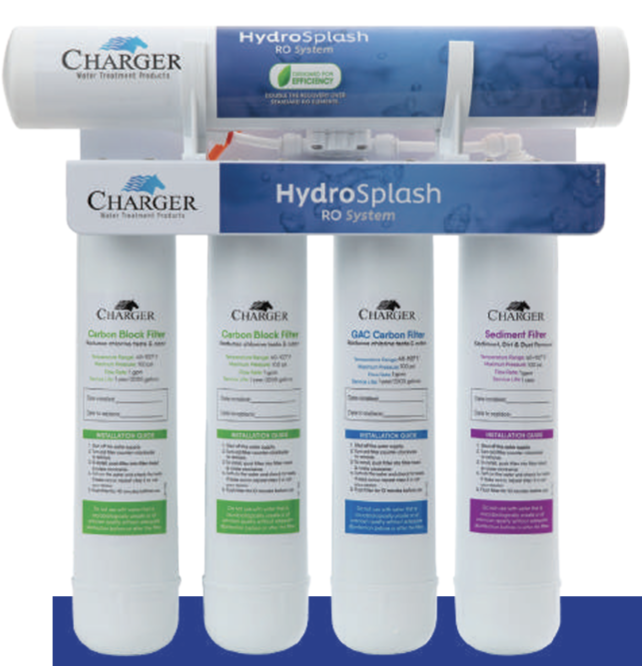
| Reverse Osmosis | Dissolved solids, chlorine, lead and other heavy metals, nitrates, microplastics, and bacteria at the point of use | Under kitchen sink with dedicated faucet | Drinking and cooking water quality | $650 – $1,800 installed |
| Whole-House Filtration | Sediment, chlorine, taste, and odor; add a UV stage for bacteria | Main line before the softener | Whole-home taste, chlorine smell, sediment reduction | $1,200 – $2,400 installed |
In plain English: a softener protects your plumbing and appliances. An RO system gives you better drinking and cooking water — and is the system that reliably reduces heavy metals like lead and provides bacteria reduction at the point of use. A whole-house filter handles taste, smell, and sediment for every tap in the house; add a UV stage if bacterial reduction is a priority whole-home.
Choosing the Right System for Your Home
Sizing Matters More Than Brand
Softeners are sized by grain capacity, which depends on household size, daily water use, and the hardness of your incoming water. An undersized unit regenerates too often, wastes salt and water, and wears out early. An oversized unit costs more up front than it needs to.
A proper Aegis assessment includes a hardness test at your meter and a household-use calculation before quoting any water treatment system.
Salt-Based vs. Salt-Free Systems
Salt-based softeners use ion exchange to actually remove calcium and magnesium from your water. Salt-free conditioners do not remove hardness; they attempt to alter the crystal structure so minerals are less likely to bond to surfaces.
Salt-free systems may help in moderately hard water, but in the very hard water common across the East Valley and Phoenix metro, most homeowners see better and more measurable results from a properly sized salt-based unit.
Install Location and Code Considerations
Most homes in the region route the main supply through the garage, which makes it the natural softener location. Installations usually need a nearby drain for the regeneration cycle, a 120V outlet, and a soft-water loop that ties back into the house plumbing.
Aegis installs systems to current Arizona plumbing code and pulls permits when the scope requires it — avoiding shortcuts that can create leaks, performance problems, or inspection issues later.
What to Expect From a Water Quality Consultation
Every Aegis water treatment consultation starts with a real conversation about how you use water in your home, followed by an on-site hardness and chlorine test at your kitchen tap.
From there, the Aegis team walks you through:
- Your current hardness reading and what it means for your specific home
- Which combination of softener, RO, and filtration fits your priorities
- A clear written quote with no surprise add-ons at install time
- Install timing, with many systems completed in a single half-day visit
- How the 10-year labor guarantee protects the installation
Why Homeowners Across the East Valley Call Aegis
Founded by Kyle Mabry, Aegis Plumbing is built on three commitments homeowners across the East Valley and greater Phoenix metro can verify: transparent pricing quoted before work begins, a 10-year labor guarantee on every installation, and licensed, background-checked technicians on every truck.
That is how Aegis has earned its reputation as a trusted East Valley plumbing partner for water treatment, plumbing repairs, water heater installation, and whole-home system upgrades.
Ready to Fix Arizona Hard Water for Good?
Schedule a no-pressure water quality consultation with Aegis Plumbing. The team will test your water at the tap, walk you through the right combination of systems for your home, and quote everything in writing before work begins.
Schedule Your Water Quality ConsultationFrequently Asked Questions
Is Arizona water safe to drink without treatment?
Yes. Municipal water across the East Valley and greater Phoenix metro meets federal and state safe drinking water standards. Treatment is about comfort, plumbing longevity, and taste — not basic safety.
Will a water softener make my water taste salty?
No. A properly sized softener adds a very small amount of sodium, typically 20–40 mg per 8 oz glass. Most homeowners cannot taste it. If salt intake is a concern, Aegis can install a potassium chloride system or pair the softener with a reverse osmosis faucet at the kitchen sink.
How long does a water softener last in Arizona’s hard water?
A properly sized, well-maintained salt-based softener typically lasts 10–15 years in Phoenix-metro hardness levels. Undersized units fail sooner because they regenerate too often.
Do I need both a softener and a reverse osmosis system?
Many East Valley homes benefit from both. The softener protects your plumbing and appliances from scale; the RO handles drinking and cooking water. They solve different problems.
Will Aegis remove my old equipment when installing a new system?
Yes. Every Aegis installation includes removal and haul-away of the old softener, RO unit, or filter housing so you do not have to deal with it.
Protect Your Plumbing From Arizona Hard Water
Call Aegis Plumbing at (480) 742-9937, email of****@*************az.com, or schedule service online for water softeners, reverse osmosis systems, whole-house filtration, water heaters, and full-service plumbing support.
View Water Treatment Services